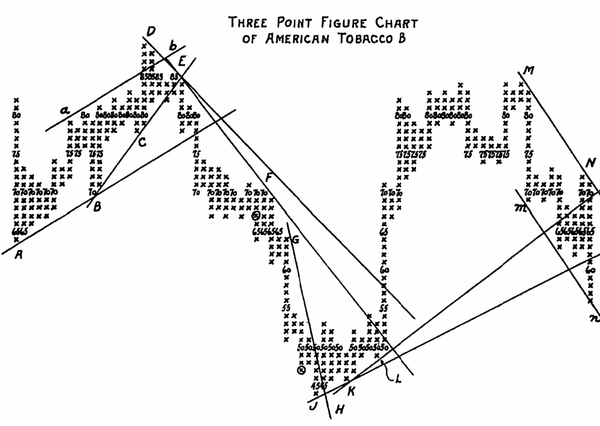
Phase Structures
Phases A through E organize the named events of Level 6 into a campaign arc. What each phase accomplishes, how to identify transitions, and how phase location shapes entry, stop, and objective decisions.
Tech has been my career, trading is a passion. This blog is dedicated to sharing analysis focused on market data, exploring what actionable information can learned about the laws of supply and demand.
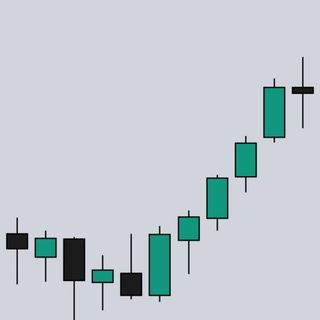
Phases A through E organize the named events of Level 6 into a campaign arc. What each phase accomplishes, how to identify transitions, and how phase location shapes entry, stop, and objective decisions.
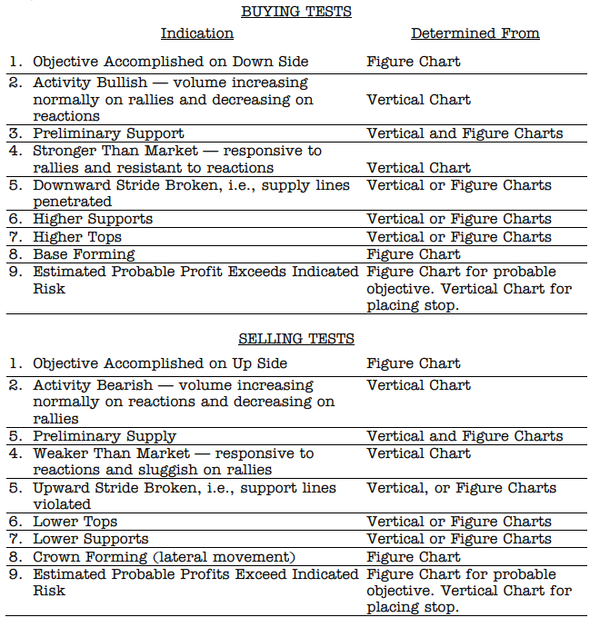
The Nine Tests are the final entry filter: a structured checklist that all prior analysis must pass before a position is taken. Each test, its evidence threshold, and how to quantify reward-to-risk before committing capital.
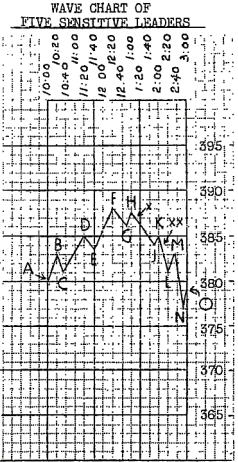
Stop placement is not defensive -- it is structural. How Wyckoff used stop orders to define risk precisely, when and how to move stops as a campaign develops, and how position size connects to the stop distance.
Technical skill is necessary but not sufficient. The mental operating system Wyckoff demands: the seventeen common errors, the discipline of operating alone, and why market reading is as much character as method.